


Year-Round Property Care: The Importance of All-Season Property Maintenance

Maintaining a property throughout the year requires consistent attention, planning, and effort, especially in regions like Central New Jersey where seasonal changes can be significant. From harsh winters to hot summers, each season brings unique challenges that can affect the condition and value of both residential and commercial properties. Neglecting maintenance during any part of the year can lead to costly repairs, safety hazards, and diminished curb appeal. In this post, I will explain why year-round property care is essential, outline practical maintenance tasks for each season, and provide actionable recommendations to keep your property in optimal condition no matter the time of year.
Why Year-Round Property Care Matters
Year-round property care is not just about aesthetics; it is a comprehensive approach to preserving the structural integrity, safety, and functionality of your property. Properties that receive regular maintenance are less likely to suffer from unexpected breakdowns or damage caused by weather extremes. For example, winter snow and ice can cause roof leaks or foundation cracks if gutters are clogged or drainage is poor. Similarly, summer heat and humidity can accelerate wear on exterior paint and landscaping if not properly managed.
Consistent maintenance also helps in identifying minor issues before they escalate into major problems. This proactive approach saves money in the long run by avoiding emergency repairs and extending the lifespan of key property components such as HVAC systems, roofing, and landscaping. Additionally, well-maintained properties retain higher market value and create a safer environment for occupants and visitors.
Essential Year-Round Property Care Tasks
To effectively manage a property throughout the year, it is important to break down maintenance tasks by season, addressing the specific needs that arise during each period. Below is a detailed list of essential tasks for each season:
Spring
Inspect and clean gutters and downspouts to ensure proper water flow and prevent water damage.
Check the roof for any damage caused by winter storms, such as missing shingles or leaks.
Service HVAC systems to prepare for warmer weather, including changing filters and cleaning ducts.
Prune trees and shrubs to promote healthy growth and remove any winter-damaged branches.
Fertilize lawns and apply weed control treatments to encourage a lush, green landscape.
Inspect exterior paint and siding for cracks or peeling and schedule repairs or repainting if necessary.
Summer
Monitor irrigation systems to ensure efficient watering and avoid overwatering or dry spots.
Mow lawns regularly and trim edges to maintain a neat appearance.
Inspect decks, patios, and walkways for cracks or loose boards and make repairs to prevent accidents.
Check for signs of pest infestations and take appropriate measures to control insects or rodents.
Clean outdoor furniture and equipment to extend their usability.
Maintain proper ventilation in attics and crawl spaces to prevent heat buildup and moisture problems.
Fall
Rake leaves and remove debris from lawns and garden beds to prevent mold and pests.
Winterize irrigation systems by draining and insulating pipes to avoid freezing damage.
Inspect and clean chimneys and fireplaces in preparation for colder months.
Seal gaps and cracks around windows and doors to improve energy efficiency.
Service heating systems to ensure reliable operation during winter.
Protect sensitive plants with mulch or coverings to shield them from frost.
Winter
Regularly clear snow and ice from driveways, walkways, and entrances to maintain safety.
Monitor roofs for ice dams and remove excess snow to prevent structural damage.
Check indoor plumbing for leaks or frozen pipes and insulate exposed pipes as needed.
Maintain proper indoor humidity levels to prevent condensation and mold growth.
Inspect smoke and carbon monoxide detectors to ensure they are functioning correctly.
Plan and schedule any necessary repairs or upgrades that cannot be performed during harsher weather.
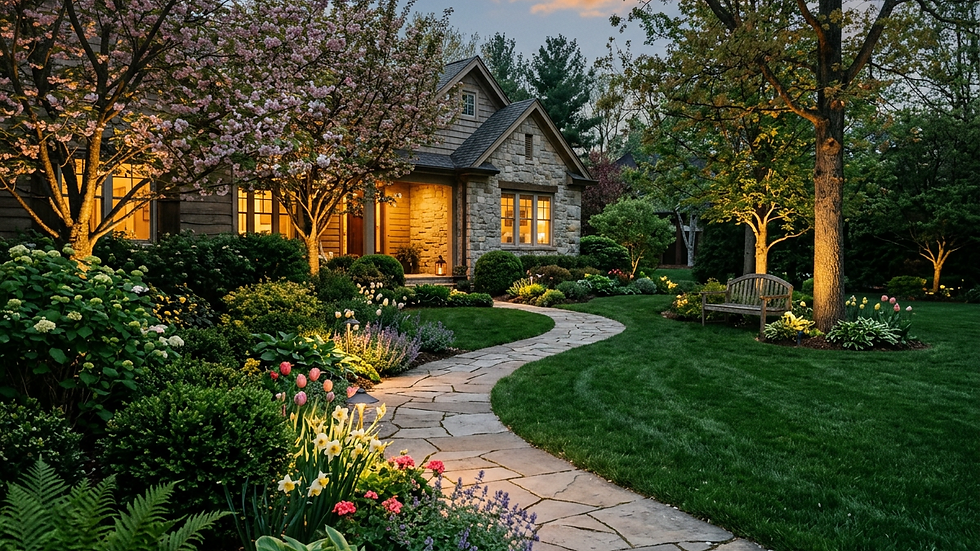
Practical Recommendations for Effective Property Maintenance
Implementing a successful year-round property care plan requires organization, prioritization, and sometimes professional assistance. Here are some practical recommendations to help you stay on top of maintenance tasks:
Create a Maintenance Calendar
Develop a detailed schedule that outlines monthly and seasonal tasks. This calendar should include reminders for inspections, servicing, and repairs. Digital tools or apps can be useful for setting alerts and tracking completed work.
Conduct Regular Inspections
Perform thorough inspections of your property at least once per season. Look for signs of wear, damage, or potential hazards. Document findings with photos and notes to monitor changes over time.
Prioritize Safety and Compliance
Ensure that all maintenance activities comply with local regulations and safety standards. This includes proper disposal of yard waste, safe use of chemicals, and adherence to building codes.
Invest in Quality Materials and Equipment
Using durable materials and reliable equipment reduces the frequency of repairs and replacements. For example, choosing weather-resistant paint or high-efficiency HVAC filters can improve performance and longevity.
Hire Professionals When Needed
Some tasks, such as roof repairs, HVAC servicing, or pest control, require specialized skills and tools. Engaging qualified professionals ensures the job is done correctly and safely.
Maintain Clear Communication
If managing multiple properties or working with a maintenance team, establish clear communication channels. Regular updates and feedback help coordinate efforts and address issues promptly.
The Role of Landscaping in Year-Round Property Care
Landscaping is a critical component of property maintenance that often requires attention throughout the year. Proper landscaping not only enhances curb appeal but also contributes to the overall health and safety of the property. For example, well-maintained trees can prevent damage from falling branches during storms, while healthy lawns reduce soil erosion and improve drainage.
Key landscaping tasks include:
Seasonal planting and removal of flowers, shrubs, and trees.
Mulching garden beds to retain moisture and suppress weeds.
Aerating and dethatching lawns to promote root growth.
Managing pests and diseases that affect plants.
Installing and maintaining irrigation systems for efficient water use.
Clearing debris and maintaining pathways to prevent accidents.
By integrating landscaping into your year-round property care routine, you ensure that outdoor spaces remain attractive, functional, and safe regardless of the season.

Planning for Long-Term Property Value and Sustainability
Sustained property maintenance is an investment in the long-term value and sustainability of your property. Properties that are well cared for tend to appreciate in value and attract tenants or buyers more easily. Additionally, sustainable maintenance practices can reduce environmental impact and lower operating costs.
Consider the following strategies:
Energy Efficiency Improvements
Upgrade insulation, windows, and HVAC systems to reduce energy consumption and utility bills.
Water Conservation Measures
Install rain barrels, drip irrigation, and drought-resistant plants to minimize water use.
Use of Eco-Friendly Materials
Choose non-toxic paints, fertilizers, and pest control products to protect the environment.
Regular Upgrades and Renovations
Plan for periodic updates to keep the property modern and compliant with evolving standards.
Documentation and Record-Keeping
Maintain detailed records of all maintenance activities, repairs, and improvements to support property management and resale.
By adopting these approaches, you not only protect your investment but also contribute to a healthier community and environment.
Taking Action: Your Next Steps for Property Maintenance
Understanding the importance of year-round property care is the first step; the next is taking action. Start by assessing your current maintenance practices and identifying any gaps or areas for improvement. Develop a comprehensive plan that covers all seasons and includes specific tasks, timelines, and responsible parties.
If you are managing multiple properties or require expert assistance, consider partnering with a reputable local company that specializes in all season property maintenance. Such partnerships can provide peace of mind, professional expertise, and reliable service tailored to the unique needs of properties in Middlesex, Union, and Monmouth Counties.
Remember, consistent and thorough maintenance is the key to preserving your property’s value, safety, and appearance throughout the year. Taking proactive steps now will save time, money, and stress in the future.


Comments