


Understanding Mulching Service Costs: A Detailed Guide to Mulching Service Costs

When planning landscaping or property maintenance, one of the key considerations is the expense involved in mulching. Mulching is a fundamental practice that benefits soil health, plant growth, and overall landscape aesthetics. However, understanding the mulching service costs can be complex due to various factors influencing pricing. In this article, I will break down the components that affect these costs, explain common pricing structures, and offer practical advice on how to budget for mulching services effectively.
Factors Influencing Mulching Service Costs
The price of mulching services depends on several variables that determine the final cost. These include the type of mulch used, the area to be covered, labor requirements, and additional services such as site preparation or disposal of old mulch. Here is a detailed look at these factors:
Type of Mulch: Organic mulches like shredded bark, wood chips, pine needles, or cocoa hulls vary in price. Inorganic mulches such as rubber or gravel tend to have different cost structures. Organic mulches generally cost between $30 and $60 per cubic yard, while inorganic options can be more expensive upfront but last longer.
Area Size: The larger the area to be mulched, the higher the total cost. Mulching is often priced per square foot or per cubic yard. For example, covering 500 square feet with a 3-inch layer of mulch might require about 4 cubic yards of material.
Labor and Equipment: Labor costs include the time spent spreading mulch, site preparation, and cleanup. Equipment rental or use, such as wheelbarrows, rakes, or mulch blowers, can add to the price. Labor rates vary by region and company but typically range from $40 to $75 per hour.
Site Conditions: Difficult terrain, dense vegetation, or the need to remove old mulch can increase labor time and costs. Accessibility issues, such as narrow pathways or steep slopes, may also affect pricing.
Additional Services: Some providers offer soil testing, weed barrier installation, or edging services as part of the mulching package. These extras will increase the overall cost but can improve the longevity and appearance of the mulch.
Understanding these factors helps in estimating the budget required for mulching projects and comparing quotes from different service providers.

Typical Mulching Service Costs in Central New Jersey
In Central New Jersey, mulching service costs reflect local market conditions, including labor rates, material availability, and demand. Based on regional data and service provider quotes, here is a breakdown of typical costs:
Material Costs: Organic mulch materials like hardwood bark or pine straw usually cost between $35 and $55 per cubic yard. Inorganic mulches such as rubber mulch can range from $50 to $80 per cubic yard.
Labor Costs: Labor charges in Middlesex, Union, and Monmouth Counties typically range from $45 to $70 per hour. For a standard residential property, labor might take 2 to 4 hours depending on the size and complexity of the job.
Average Project Cost: For a 500 to 1,000 square foot area, homeowners can expect to pay between $300 and $700 for a complete mulching service, including materials and labor. Commercial properties with larger areas or specialized needs may incur higher costs.
Additional Fees: Some companies may charge extra for hauling away old mulch, site preparation, or applying weed barriers. These fees can add $50 to $150 to the total bill.
When budgeting for mulching, it is important to request detailed quotes that specify material types, coverage area, labor hours, and any additional services. This transparency helps avoid unexpected expenses and ensures the project meets expectations.
What is the 3-3-3 Rule for Mulch?
The 3-3-3 rule is a practical guideline for applying mulch correctly to maximize its benefits and avoid common problems. It refers to three key measurements:
3 Inches Deep: Apply mulch to a depth of about 3 inches. This depth is sufficient to suppress weeds, retain moisture, and regulate soil temperature without suffocating plant roots.
3 Feet Away from Tree Trunks: Keep mulch at least 3 feet away from the base of tree trunks or plant stems. Mulch piled too close can cause moisture buildup, leading to rot or pest infestations.
3 Inches Away from Plant Stems: Similarly, maintain a 3-inch gap between mulch and the stems of shrubs or perennials to prevent disease and allow air circulation.
Following the 3-3-3 rule helps ensure mulch performs its intended functions effectively while protecting plant health. It also influences the amount of mulch needed, which in turn affects the overall cost of mulching services.
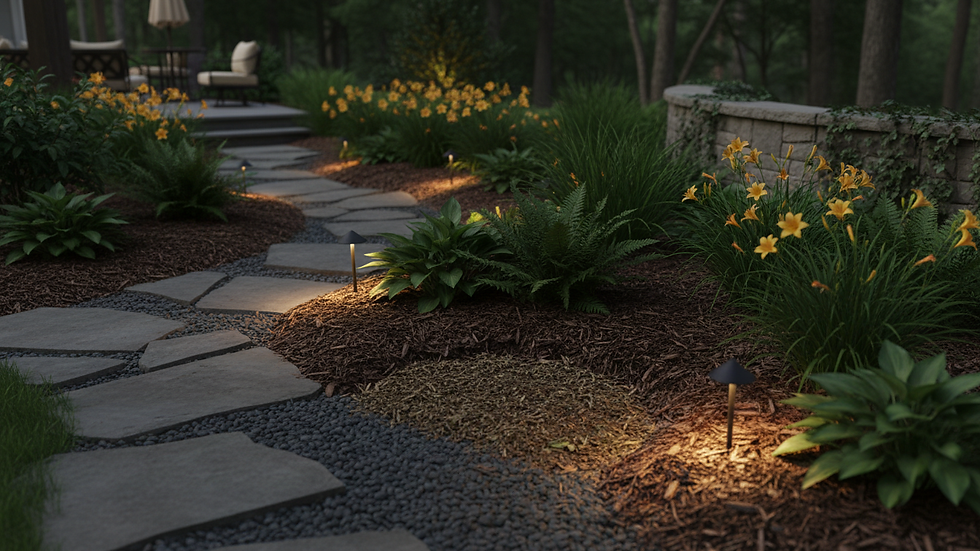
How to Choose the Right Mulch for Your Property
Selecting the appropriate mulch type is crucial for both aesthetic appeal and functional benefits. Here are some considerations to guide your choice:
Organic vs. Inorganic: Organic mulches improve soil fertility as they decompose, making them ideal for gardens and flower beds. Inorganic mulches, such as rubber or stone, do not break down and are better for long-term ground cover in high-traffic areas.
Color and Texture: Mulch comes in various colors, from natural browns to dyed reds and blacks. Choose a color that complements your landscape design. Texture also matters; fine mulch is good for flower beds, while coarser mulch suits trees and shrubs.
Durability and Maintenance: Some mulches last longer than others. For example, cedar mulch resists decay and insects better than pine bark. Consider how often you want to replace mulch when calculating long-term costs.
Environmental Impact: Opt for mulch sourced sustainably or made from recycled materials to reduce environmental footprint.
Discussing these factors with your landscaping professional can help you select mulch that fits your budget and landscape goals.
Tips for Reducing Mulching Service Costs Without Sacrificing Quality
Managing expenses while maintaining quality is possible with careful planning and informed decisions. Here are some actionable tips:
Measure Accurately: Calculate the exact area and depth needed to avoid ordering excess mulch.
Choose Local Materials: Using mulch sourced nearby can reduce delivery fees.
Schedule Off-Season: Some providers offer discounts during slower seasons.
Combine Services: Bundling mulching with other landscaping tasks may result in package deals.
DIY Preparation: Clearing debris or old mulch yourself can lower labor costs.
Request Multiple Quotes: Compare prices and services from several companies to find the best value.
By applying these strategies, you can keep the cost of mulching services reasonable while ensuring your landscape receives professional care.
Planning for Long-Term Mulch Maintenance and Replacement
Mulch is not a one-time investment; it requires periodic maintenance and replacement to remain effective. Here are key points to consider:
Replenishing Mulch: Organic mulch decomposes over time and should be replenished every 1 to 2 years. This schedule depends on the type of mulch and local climate conditions.
Monitoring Mulch Depth: Regularly check mulch depth to maintain the recommended 3-inch layer.
Weed Control: Mulch helps suppress weeds, but some may still emerge. Routine weeding reduces competition for plants.
Avoiding Mulch Volcanoes: Prevent piling mulch against tree trunks to avoid damage.
Disposal of Old Mulch: When replacing mulch, proper disposal or composting of old material is necessary.
Budgeting for these ongoing tasks ensures your landscape remains healthy and attractive, preserving the value of your initial mulching investment.
By understanding the detailed components that influence mulching service costs, selecting the right materials, and planning for maintenance, you can make informed decisions that benefit your property’s health and appearance. Whether managing a residential garden or a commercial landscape, careful attention to these factors will help you achieve the best results within your budget.


Comments